You’re running a business in 2025, and your ad spend is climbing. Google Ads, Meta, TikTok, they all promise quick wins, but costs keep rising. So, is PPC still worth the hassle in 2026? Straight up: yes, for most brands that know what they’re doing. But if you’re throwing money at generic keywords without tracking every cent, you’re better off burning it for heat.
I’ve audited hundreds of PPC accounts at GoViral Ads Agency USA, and the pattern is clear. Smart PPC crushes it with 200% average ROI, meaning you get $2 back for every $1 spent. But dumb PPC? It drains your wallet faster than a bad hire.
This guide cuts through the noise. We’ll look at hard numbers, real challenges like privacy rules tightening, AI taking over bids, and exactly when to pull the trigger on PPC. By the end, you’ll know if it’s right for you, and how to make it pay.
First, quick refresher: PPC means pay-per-click. You bid on keywords or audiences, pay only when someone clicks, and aim for conversions like sales or leads. In 2026, it’s not just Google anymore. Platforms like Amazon, LinkedIn, and even emerging spots like YouTube Shorts are in the mix. But the game has changed. AI handles bidding, privacy laws limit tracking, and costs are up 45% in some industries from last year.
Let’s get into the meat.
Check Out: GoViral Ads Agency – Best Utah PPC Agency
The Hard Numbers on PPC in 2026
Numbers don’t lie. Global search ad spend hits $351 billion in 2025, and it’s growing at 8% yearly. By 2026, expect even more as businesses chase quick traffic. Why? Because PPC drives results fast. 90% of internet users see Google Ads, and paid search visitors are 50% more likely to buy than organic ones.
ROI is the killer stat. Across industries, PPC delivers 200% returns on average. For ecommerce, it’s often higher, think 3x or more if your funnel is tight. SaaS companies see leads at $70 per acquisition on Google, but that drops with smart targeting. Home services? Meta ads cost $28 per lead versus Google’s $70.
Costs are the flip side. CPCs rose 45% year-over-year in competitive niches like legal or finance. Projections for 2026 show continued hikes, thanks to more advertisers jumping in and platforms pushing premium features. But effectiveness? Still strong. 55% of companies outsource PPC to agencies because it works when optimized.

Digital Marketing Statistics: Data-Driven Trends for 2025
Look at display ads: projected $267 billion spend by 2026. Why the growth? AI makes campaigns sharper, cutting waste. If your conversion rates climb with rising CPCs, ROI stays solid. I’ve seen clients hit 8x ROAS, but only after ditching vanity metrics like impressions.
Bottom line: PPC isn’t cheap, but it’s profitable if you track everything. Ignore the data, and you’re gambling.
Why PPC Wins Big in 2026
PPC shines when you need speed. Organic SEO takes months; PPC gets you traffic today. For D2C brands, it’s gold, target buyers searching “best wireless earbuds” and convert them on the spot.
Scalability is huge. Start small, test, then pour gas on winners. One client scaled from $5k monthly spend to $50k, tripling revenue, all because we A/B tested ads daily.
AI supercharges this. In 2026, tools like Google’s Smart Bidding optimize bids in real time, predicting conversions better than any human. Automation handles the grunt work, freeing you to focus on strategy. Think predictive analytics spotting trends before they blow up.
Omnichannel is another win. Run PPC across Google, Meta, TikTok for full-funnel coverage. Awareness on video ads, conversions on search. Brands using this see 20-30% better results.
And measurability? Everything tracks. See exactly which ad drove which sale. No guessing like with billboards.
For B2B, LinkedIn PPC targets decision-makers precisely. SaaS firms close deals faster this way.
If your product sells online and margins cover ad costs, PPC is a no-brainer. It puts you in front of ready buyers, not window shoppers.
AI in PPC: Balancing Automation and Human Strategy for Better …
The Ugly Side: Why PPC Might Suck for You
Not all sunshine. Costs are spiking, and if your site’s conversion rate is trash, say under 2%, you’ll lose money fast.
Privacy changes hit hard in 2026. CCPA updates kick in January 1, forcing better consent and limiting third-party data. Google’s cookie phase-out is done, so retargeting gets tougher. Shift to first-party data or modeled conversions, but that means less precision.
Ad fraud is rampant. Bots click your ads, wasting budget. Platforms fight it, but you need tools like TrafficGuard to block them.
Competition is fierce. Big players dominate auctions, driving up bids. Small brands struggle unless they niche down.
AI pitfalls: Over-rely on automation, and you lose control. Black-box algorithms hide why bids change, making accountability tough.
If your business is local with low search volume, or products with thin margins, PPC might not pencil out. I’ve fired clients where math didn’t add up, we’d rather say no than waste their cash.
Plus, platform changes. Google ruled a monopoly, so expect antitrust shakes. More transparency, maybe lower costs, but uncertainty sucks.
In short, PPC demands constant tweaks. Set it and forget it? You’re screwed.
When PPC is Absolutely Worth It
PPC pays if your lifetime customer value crushes acquisition costs. Ecommerce with $100+ orders? Yes. SaaS with recurring revenue? Hell yes.
Key signs: You have a proven offer, solid landing pages (conversion rate over 3%), and budget for testing ($5k+ monthly minimum).
For startups scaling fast, PPC accelerates growth. Established brands use it to defend market share.
In 2026, it’s worth it for video-heavy niches, TikTok ads explode for Gen Z. Voice search PPC rises too, with AI assistants like Siri driving queries.
But only if you adapt. Use first-party data for targeting, personalize ads hyper-specifically.
If you’re in retail, D2C, or B2B services, crunch your numbers. Project 2026 costs up 10-20%, but if ROI holds, go for it.
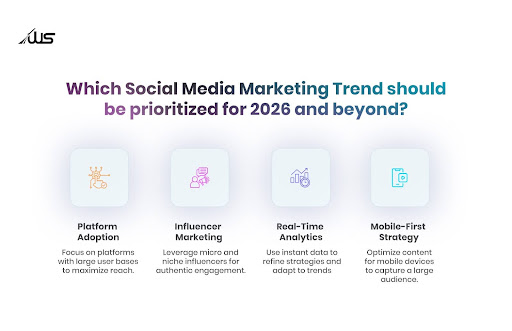
5 Digital Marketing Trends in 2026 Changing the Game Overnight.
How to Crush PPC in 2026: No-Fluff Tips
Want results? Audit your current setup first. Check for leaks like poor keyword matches or weak ad copy.
Embrace AI, but oversee it. Use tools for bidding, but set strict ROAS targets. Test responsive search ads, they auto-optimize headlines.
Go audience-first. Keywords matter, but layer on demographics, interests, and behaviors. First-party data is king now.
Full-funnel approach: Top with video for awareness, bottom with search for sales.
Track everything. Use real-time dashboards for daily optimizations. A/B test relentlessly, ads, landings, offers.
Fight fraud: Enable click verification.
Scale smart. Increase budget 20% at a time on winners.
For 2026, watch Performance Max campaigns, they blend search, display, video with AI. But don’t blind trust; review data weekly.
One trick: Hyper-personalization. Segment tiny audiences for 20% better ROAS.
We guarantee 60-day growth or work free. That’s how confident we are in this.
Real-World Wins (And Fails)
Take a D2C fitness brand we worked with. Started with $10k spend, hit 4x ROAS in month one by targeting “home workout gear” with video ads. Scaled to $100k, revenue jumped 300%.
Flip side: A SaaS client ignored privacy shifts, lost 40% tracking accuracy, ROAS tanked to 1.5x. We fixed it with first-party lists, back to 3x.
Stats back this: 87% of audited accounts leak cash on basics. Don’t be that guy.
If PPC Isn’t for You, Try These
Organic SEO for long-term traffic. Content marketing builds trust cheap.
Email lists, nurture owned audiences.
Influencers for niche reach.
But nothing beats PPC’s speed.
Wrap It Up: PPC in 2026 is a Beast, If You Tame It
PPC is worth it in 2026 if you treat it like a business, not a hobby. With AI, privacy hurdles, and rising costs, winners will be data-obsessed brands that optimize ruthlessly.
Ready to see if it fits your setup? Book a free strategy call. We’ll audit your accounts, spot leaks, and map a plan. No sales BS, just real talk on making your ads print money.